How Plants Adapt to the Desert or Low Water Environments
Types of Desert Plants
There are many different types of desert plants, including cacti, succulents, acacias, mesquite, creosote bush, and yucca. Each one has adapted in its own way to survive in the harsh desert environment.
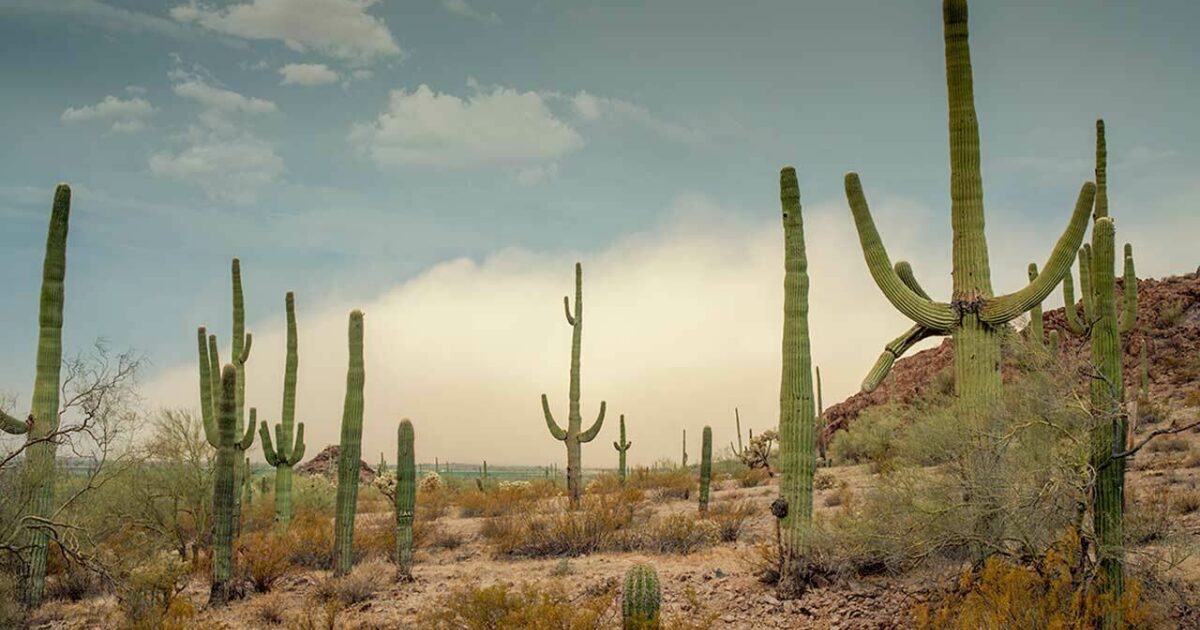
Cacti are perhaps the best-known desert plants. They have thick stems that store water, and sparse leaves that minimize evaporation. Some cacti, such as the saguaro, can grow to be over 20 feet tall.
Succulents are another type of desert plant that are adapted for water conservation. They have fleshy leaves that store water, and often have a waxy coating that helps prevent evaporation. Many succulents, such as the aloe vera, are used for their medicinal properties.
Acacias are desert plants that have long roots that help them reach underground water sources. They also have small leaves that reduce evaporation. The acacia tree is the national tree of Israel.
Mesquite is a type of desert shrub that has long, deep roots that help it reach water sources far below the ground. It too has small leaves and a thick, waxy coating that helps prevent water loss. The mesquite tree is an important source of food and shelter for many animals in the desert.
Creosote bush is a type of desert shrub that is adapted to survive in very dry conditions. It has small leaves and a deep root system that helps it reach underground for water. The creosote bush is the state flower of Arizona.
Yucca is a type of desert plant that has long, sharp leaves that help it capture moisture from the air. It also has a deep root system to help reach underground for water sources. The yucca plant is an important source of food and shelter for many animals in the desert.
ncG1vNJzZmivp6x7sa7SZ6arn1%2BWv7W1wqWcrGeYpMRuvMuapa2rXZaxorzTZquoZaSdsm6wxKycq6xdpL9uuM6wZLCZpJq%2FbrHNr6Crp56isq%2FA0g%3D%3D